

Why are US and Canadian investors increasingly buying property in Panama?
Panama is not attracting attention by chance. It is attracting capital for very specific reasons.
A dollarized economy.
Strong demand drivers tied to tourism, healthcare, and relocation.
And a legal framework that allows foreigners to own property with the same rights as locals.
For investors over 40 who are looking for stability, income potential, and optional lifestyle use, Panama sits in a very specific category. It is not speculative. It is strategic.
This guide breaks down what actually matters before you invest.
Can foreigners legally buy property in Panama?
Yes. Foreigners can own titled property in Panama with the same rights as Panamanian citizens.
There are no restrictions on ownership, no requirement for local partners, and no limitations on resale.
What matters more than ownership is structure.
The key question is not can you buy.
The real question is what are you buying and how is it positioned for demand.
What are property taxes in Panama?
Panama’s property tax system is one of the main reasons investors look here.
New construction properties often benefit from tax exemptions depending on value and registration. After that period, property taxes are applied on a progressive scale.
Compared to most US and Canadian markets, long term holding costs are significantly lower.
For investors, this creates a simple advantage:
Lower fixed costs mean stronger net returns over time.
Can you generate rental income in Panama?
Yes. But this is where most investors get it wrong.
Not all properties in Panama are legally allowed to operate as short term rentals.
This is not widely understood, and it is one of the most important distinctions in the market.
What is a short term rental licensed property?
A short term rental licensed property is a building that is legally approved to operate rentals on a nightly or weekly basis.
Without this license, your property is restricted to long term leasing.
This creates a clear separation in the market:
Licensed buildings
Non licensed buildings
This distinction directly impacts income potential, occupancy, and resale value.
Why this matters for investors
Licensed inventory is limited.
That limitation creates a supply constraint.
And supply constraint, when paired with strong demand, is what drives performance.
What demand is driving rental income in Panama?
Serious investors do not rely on hope. They rely on demand drivers.
Panama has three that are consistently growing:
1. Tourism
Panama continues to see steady international arrivals driven by its connectivity, safety profile, and positioning as a regional hub.
Short term rental demand is tied directly to this.
2. Medical tourism
This is one of the most overlooked opportunities.
Panama City has become a destination for patients from the US, Canada, and the Caribbean seeking treatment in internationally affiliated hospitals.
These visitors do not stay for two nights.
They stay for days, weeks, and sometimes months.
That creates longer bookings and more stable occupancy.
3. Relocation and second home buyers
A growing segment of buyers are not purely investors.
They want flexibility.
A property that can generate income when they are not using it, and function as a residence when they are.
This hybrid use is driving buying decisions.
Where are investors focusing in Panama City?
Location is not about views. It is about demand alignment.
Two examples illustrate this clearly:
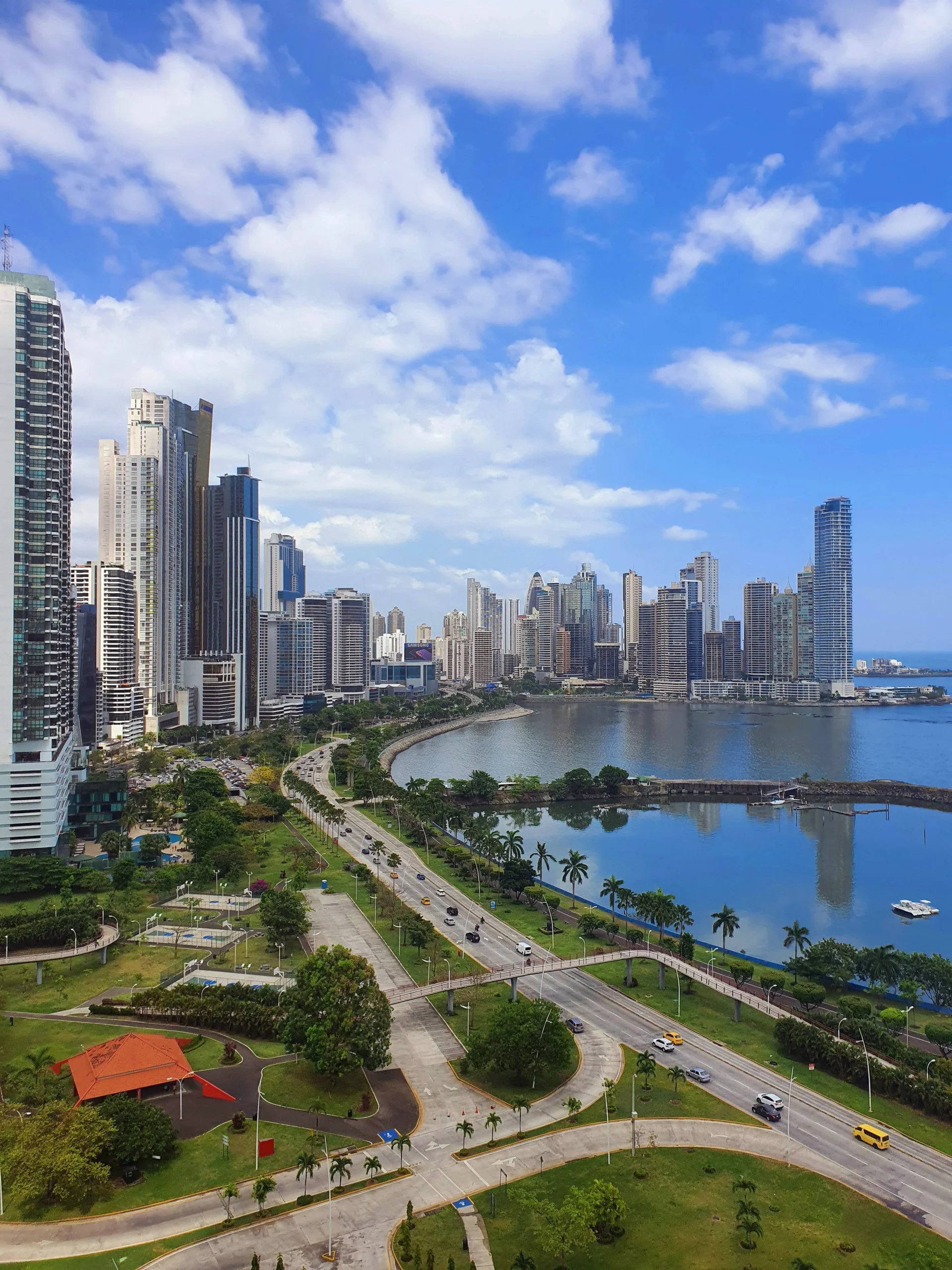
Properties near the Panama Canal and Amador
This area combines tourism, waterfront access, and lifestyle appeal with increasing infrastructure investment.
Properties positioned here benefit from:
- Proximity to marinas
- Access to leisure and cultural attractions
- High short term rental appeal
For investors, this means consistent exposure to short stay demand.
Properties in the medical district of Punta Pacifica
This is where investment logic becomes more precise.
Being near major hospitals and clinics is not a lifestyle decision. It is a demand decision.
Patients and their families need nearby, comfortable accommodations.
Properties designed for this purpose tend to attract longer stays and repeat demand.
What mistakes do foreign investors make in Panama?
Most mistakes come from focusing on the wrong variables.
Buying based on price instead of positioning
A lower price does not equal better investment.
Ignoring rental restrictions
This is the most common and costly mistake.
Overestimating returns without understanding demand
Income comes from occupancy, not assumptions.
Choosing buildings without property management structure
Execution matters as much as acquisition.
What should you look for in an investment property?
At a minimum, serious investors evaluate:
- Legal rental status
- Location tied to demand drivers
- Unit layout efficiency
- Building management structure
- Exit potential and resale demand
Anything outside of this is secondary.
Why work with a specialized real estate advisor?
The difference is not access to listings.
The difference is access to the right opportunities.
A specialized team helps you:
- Identify buildings with the correct legal structure
- Understand real demand, not perceived demand
- Compare performance potential across assets
- Navigate the purchase process efficiently
This is not about buying property.
It is about making a decision that performs over time.
Speak with a Panama real estate expert
If you are evaluating Panama as part of your investment strategy, the next step is clarity.
Not more listings. Not more browsing.
Clarity on what actually fits your goals.
Speak with our team to understand which properties are structured for short term rental income, aligned with real demand, and positioned for long term performance.
